Buy fpq.eu ?
We are moving the project
fpq.eu .
Are you interested in purchasing the domain
fpq.eu ?
domain@kv-gmbh.de · 0541-91531010
Buy fpq.eu ?
'Will + participle 2?'
"Will + participle 2" is a construction used to form the future perfect tense in English. It is used to indicate an action that will be completed before a specific point in the future. This construction is formed by using the auxiliary verb "will" followed by the past participle of the main verb. For example, "By the time you arrive, I will have finished my homework." **
What are the Latin forms of the present participle, perfect passive participle, and future active participle?
The Latin present participle is formed by adding -ns, -ntis to the present stem of the verb. For example, the present participle of the verb "amo" (I love) is "amans, amantis" (loving). The perfect passive participle is formed by adding -us, -a, -um to the verb stem. For example, the perfect passive participle of the verb "amo" is "amatus, amata, amatum" (loved). The future active participle is formed by adding -urus, -ura, -urum to the verb stem. For example, the future active participle of the verb "amo" is "amaturus, amatura, amaturum" (about to love). **


Similar search terms for Participle
Top-Angebote
Products related to Participle:
-
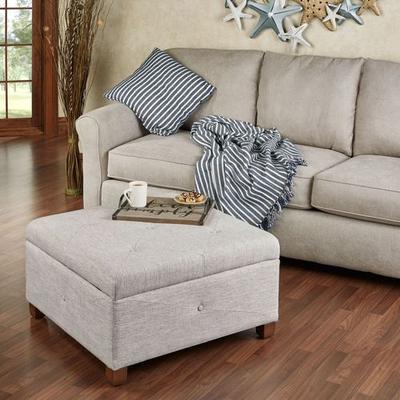
Jla Home/Furniture & Decor Caroline Storage Ottoman Tan , TanThe versatile Caroline Tan Storage Ottoman offers good looks, utility, and function. This wooden ottoman is beautifully covered in a tufted, heathered tan polyester fabric and is perfect in your living space. The cushioned top is great for sitting...285,00 $*Shipping: 0,00 $Secure redirect to the provider
-
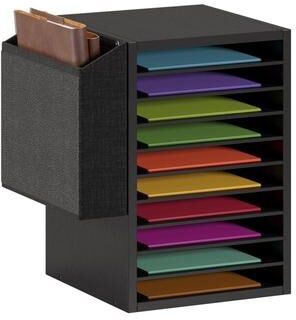
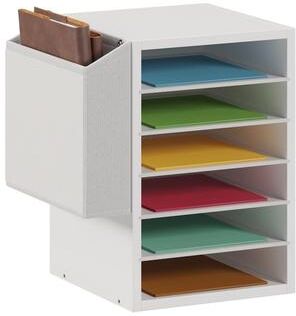
no Literature Organization Paper Storage SlotPaper Mailboxes: Outfitted with adjustable shelving and with a side storage bag, this wooden mail organizer offers tailor-made storage solutions for everything from office supplies to crafting materials Teacher Mailbox: This teacher toolbox...154,59 $*Shipping: 0,00 $Secure redirect to the provider
-
Friendly Fresh Finds Woven Storage Basket Bins For Stylish Shelf Organization And Home Decor brown sCreate a calmer, more beautiful home with these charming woven storage solutions designed to keep everyday items neatly arranged. These storage basket bins bring practical organization and natural style to shelves, closets, bedrooms, and living...47,97 $*Shipping: 0,00 $Secure redirect to the provider
-
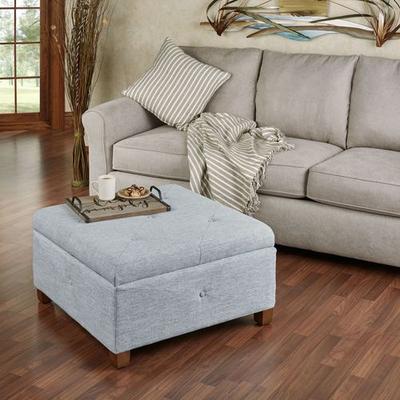
Jla Home/Furniture & Decor Caroline Storage Ottoman Blue Shadow , Blue ShadowThe versatile Caroline Blue Shadow Storage Ottoman offers good looks, utility, and function. This wooden ottoman is beautifully covered in a tufted, heathered blue shadow polyester fabric and is perfect in your living space. The cushioned top is...285,00 $*Shipping: 0,00 $Secure redirect to the provider

-
What are participle clauses?
Participle clauses are a type of clause that uses a present participle (-ing form) or a past participle (-ed form) to provide additional information about the subject of the main clause. They can be used to show simultaneous actions, cause and effect, or to provide descriptive details. For example, in the sentence "Feeling tired, she decided to go to bed," the participle clause "Feeling tired" provides additional information about the subject "she." **
-
What is a participle?
A participle is a form of a verb that can function as an adjective or be part of a verb phrase. There are two types of participles in English: the present participle, which ends in -ing (e.g. "walking"), and the past participle, which can end in -ed, -en, -d, -t, -n, or -ne (e.g. "broken"). Participles are used to modify nouns or pronouns, and they can also be used to form verb tenses such as the present perfect or past perfect. **
-
What is the difference between the past participle and the present participle?
The past participle is a verb form used to indicate a completed action or state that occurred in the past. It is often used with auxiliary verbs to form the perfect tenses (e.g., "has eaten," "had gone"). The present participle, on the other hand, is a verb form used to indicate an ongoing action or state in the present or future. It is formed by adding "-ing" to the base form of the verb and is used to create the progressive tenses (e.g., "is eating," "will be going"). **
-
How can the terms premature, simultaneous, and subsequent be explained in relation to past participle, present participle, and future participle?
The terms premature, simultaneous, and subsequent can be explained in relation to past participle, present participle, and future participle based on their timing in relation to the action of the verb. The past participle refers to an action that has already been completed, making it premature in relation to the present moment. The present participle refers to an action that is happening at the same time as something else, making it simultaneous. The future participle refers to an action that will happen at a later time, making it subsequent to the present moment. These terms help to clarify the timing of the action in relation to the verb. **

What is a substantivized participle?
A substantivized participle is a verb form that has been turned into a noun by adding a definite article and declining it for case, gender, and number. In other words, it is a participle that has been transformed into a noun and can function as a subject, object, or complement in a sentence. This process allows the participle to take on the characteristics of a noun while still retaining some of its verbal qualities. **
What is a nominalized participle?
A nominalized participle is a verb form that has been turned into a noun. This is done by adding a suffix to the participle form of the verb, which allows it to function as a noun in a sentence. Nominalized participles are commonly used in various languages to express actions or qualities in a more abstract or general way. **
Top-Angebote
Products related to Participle:
-
Uplift Picks Round Acrylic Storage Tray For Coffee Table Decor And Aromatherapy Organization Round Acrylic Storage Tray For Coffee Table Decor And Aromatherapy OrganizationA wellstyled space starts with thoughtful details. This round acrylic storage tray brings clean elegance and everyday functionality to your living room, bedroom, or vanity. Designed to neatly hold tea cups, candles, perfumes, or small decor pieces,...60,98 $*Shipping: 0,00 $Secure redirect to the provider
-
Jla Home/Furniture & Decor Caymus Storage Bench Gray , GrayThe Caymus Storage Bench offers a chic simplicity designed by Martha Stewart. With natural-finished wood legs, the bench features a wide upholstered design in light gray woven polyester with piped accents. The 3.25 thick, foam-filled cushion also...299,99 $*Shipping: 0,00 $Secure redirect to the provider
-
Jla Home/Furniture & Decor Caroline Storage Ottoman Tan , TanThe versatile Caroline Tan Storage Ottoman offers good looks, utility, and function. This wooden ottoman is beautifully covered in a tufted, heathered tan polyester fabric and is perfect in your living space. The cushioned top is great for sitting...285,00 $*Shipping: 0,00 $Secure redirect to the provider
-
no Literature Organization Paper Storage SlotPaper Mailboxes: Outfitted with adjustable shelving and with a side storage bag, this wooden mail organizer offers tailor-made storage solutions for everything from office supplies to crafting materials Teacher Mailbox: This teacher toolbox...154,59 $*Shipping: 0,00 $Secure redirect to the provider
-
'Will + participle 2?'
"Will + participle 2" is a construction used to form the future perfect tense in English. It is used to indicate an action that will be completed before a specific point in the future. This construction is formed by using the auxiliary verb "will" followed by the past participle of the main verb. For example, "By the time you arrive, I will have finished my homework." **
-
What are the Latin forms of the present participle, perfect passive participle, and future active participle?
The Latin present participle is formed by adding -ns, -ntis to the present stem of the verb. For example, the present participle of the verb "amo" (I love) is "amans, amantis" (loving). The perfect passive participle is formed by adding -us, -a, -um to the verb stem. For example, the perfect passive participle of the verb "amo" is "amatus, amata, amatum" (loved). The future active participle is formed by adding -urus, -ura, -urum to the verb stem. For example, the future active participle of the verb "amo" is "amaturus, amatura, amaturum" (about to love). **
-
What are participle clauses?
Participle clauses are a type of clause that uses a present participle (-ing form) or a past participle (-ed form) to provide additional information about the subject of the main clause. They can be used to show simultaneous actions, cause and effect, or to provide descriptive details. For example, in the sentence "Feeling tired, she decided to go to bed," the participle clause "Feeling tired" provides additional information about the subject "she." **
-
What is a participle?
A participle is a form of a verb that can function as an adjective or be part of a verb phrase. There are two types of participles in English: the present participle, which ends in -ing (e.g. "walking"), and the past participle, which can end in -ed, -en, -d, -t, -n, or -ne (e.g. "broken"). Participles are used to modify nouns or pronouns, and they can also be used to form verb tenses such as the present perfect or past perfect. **
Similar search terms for Participle
-
Friendly Fresh Finds Woven Storage Basket Bins For Stylish Shelf Organization And Home Decor brown sCreate a calmer, more beautiful home with these charming woven storage solutions designed to keep everyday items neatly arranged. These storage basket bins bring practical organization and natural style to shelves, closets, bedrooms, and living...47,97 $*Shipping: 0,00 $Secure redirect to the provider
-
Jla Home/Furniture & Decor Caroline Storage Ottoman Blue Shadow , Blue ShadowThe versatile Caroline Blue Shadow Storage Ottoman offers good looks, utility, and function. This wooden ottoman is beautifully covered in a tufted, heathered blue shadow polyester fabric and is perfect in your living space. The cushioned top is...285,00 $*Shipping: 0,00 $Secure redirect to the provider
-
no Literature Organization Paper Storage SlotPaper Mailboxes: Outfitted with adjustable shelving and with a side storage bag, this wooden mail organizer offers tailor-made storage solutions for everything from office supplies to crafting materials Teacher Mailbox: This teacher toolbox...154,52 $*Shipping: 0,00 $Secure redirect to the provider
-
Friendly Fresh Finds Woven Storage Basket Bins For Stylish Shelf Organization And Home Decor black lCreate a calmer, more beautiful home with these charming woven storage solutions designed to keep everyday items neatly arranged. These storage basket bins bring practical organization and natural style to shelves, closets, bedrooms, and living...49,97 $*Shipping: 0,00 $Secure redirect to the provider
-
What is the difference between the past participle and the present participle?
The past participle is a verb form used to indicate a completed action or state that occurred in the past. It is often used with auxiliary verbs to form the perfect tenses (e.g., "has eaten," "had gone"). The present participle, on the other hand, is a verb form used to indicate an ongoing action or state in the present or future. It is formed by adding "-ing" to the base form of the verb and is used to create the progressive tenses (e.g., "is eating," "will be going"). **
-
How can the terms premature, simultaneous, and subsequent be explained in relation to past participle, present participle, and future participle?
The terms premature, simultaneous, and subsequent can be explained in relation to past participle, present participle, and future participle based on their timing in relation to the action of the verb. The past participle refers to an action that has already been completed, making it premature in relation to the present moment. The present participle refers to an action that is happening at the same time as something else, making it simultaneous. The future participle refers to an action that will happen at a later time, making it subsequent to the present moment. These terms help to clarify the timing of the action in relation to the verb. **
-
What is a substantivized participle?
A substantivized participle is a verb form that has been turned into a noun by adding a definite article and declining it for case, gender, and number. In other words, it is a participle that has been transformed into a noun and can function as a subject, object, or complement in a sentence. This process allows the participle to take on the characteristics of a noun while still retaining some of its verbal qualities. **
-
What is a nominalized participle?
A nominalized participle is a verb form that has been turned into a noun. This is done by adding a suffix to the participle form of the verb, which allows it to function as a noun in a sentence. Nominalized participles are commonly used in various languages to express actions or qualities in a more abstract or general way. **
* All prices are inclusive of VAT and, if applicable, plus shipping costs. The offer information is based on the details provided by the respective shop and is updated through automated processes. Real-time updates do not occur, so deviations can occur in individual cases. ** Note: Parts of this content were created by AI.